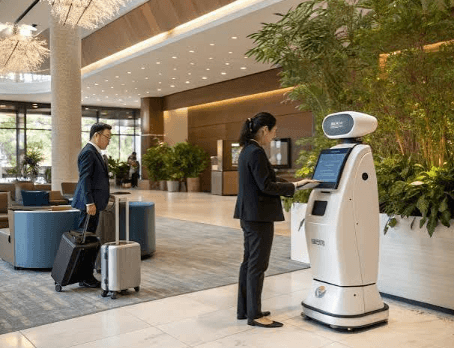

Artificial intelligence reshapes hotel management by enabling proactive guest profiling, demand forecasting, and automated workflows. It offers data-driven decision support across front desk, housekeeping, and F&B, while aiming to reduce bias and sustain profitability. Strategic pilots are essential to validate value, governance, and privacy safeguards. The journey promises consistent personalization and resilient operations, but the path is incremental and contingent on disciplined execution, governance alignment, and measurable learnings that will define the next phase of transformation.
How AI Elevates Guest Personalization in Hotels
AI-powered guest profiling enables hotels to anticipate needs before requests arise by analyzing patterns from prior stays, preferences, and real-time context.
This approach enables refined guest segmentation and nuanced sentiment analysis, revealing motivation and satisfaction drivers.
Strategically, properties tailor experiences, empower teams with proactive insights, and cultivate autonomy for guests to shape stays.
The result is personalized consistency that sustains loyalty and freedom.
Optimizing Revenue and Operations With AI Analytics
This approach exposes inference bias risks and reinforces data governance, enabling strategic decisions that balance profitability with guest experience, freedom of choice, and operational resilience.
Implementing AI Across Front Desk, Housekeeping, and F&B
Implementing AI Across Front Desk, Housekeeping, and F&B examines how intelligent systems can reimagine core hotel touchpoints, from guest reception to room turnover and dining service. The approach blends data-informed forecasting with autonomous workflows, enabling agile operations, personalized guest journeys, and resilient staffing models. Two word discussion ideas: front desk, housekeeping, f&b, AI adoption, guiding strategic experimentation and scalable implementation.
Measuring ROI and Navigating AI Adoption Challenges
A strategic framework emphasizes incremental pilots, measurable learnings, and governance that aligns incentives with outcomes, enabling firms to scale responsibly and sustain competitive advantage.
Frequently Asked Questions
How Is Guest Data Protected in AI Systems?
They safeguard guest data through stringent encryption, access controls, and audit trails, ensuring minimal exposure. In a visionary, strategic mode, the emphasis is data minimization and rapid response to data breach risks, balancing trust, freedom, and responsible innovation.
What Are AI Implementation Costs and ROI Timelines?
AI implementation costs vary wildly, yet strategic investments accelerate ROI timelines dramatically, sometimes within months. The analysis reveals capital discipline, phased deployments, and measurable benefits—revenue lift, efficiency gains—shaping bold, freedom-focused portfolios for stakeholders pursuing long-term wins.
See also: What Is a Mempool in Cryptocurrency?
How Does AI Affect Staff Roles and Training Needs?
AI redefines staff roles and training needs by elevating analytical tasks, automating routine duties, and demanding elevated data privacy awareness; teams adapt through continuous upskilling, while leaders balance empowerment with governance to sustain freedom and strategic vision.
Can AI Adapt to Diverse Hotel Types and Sizes?
AI can adapt to diverse hotel types and sizes, enabling scalable deployment across portfolios. It analyzes property-specific needs, embraces diversity of properties, and scales insights, driving strategic flexibility while preserving autonomy and freedom for operators and guests alike.
What Are Data Privacy and Compliance Considerations?
A notable stat shows 72% of guests favor clear privacy choices, signaling a shift toward transparency. Data privacy considerations hinge on data minimization and consent management, guiding strategic frameworks that empower freedom while ensuring compliant, ethical AI in hospitality.
Conclusion
Artificial intelligence in hotel management stands as a strategic fulcrum for futuristic hospitality. By rigorously testing hypotheses about guest personalization, revenue optimization, and autonomous workflows, the industry moves from intuition to insight-driven governance. The truth emerging is clear: data-informed decisions elevate experience while preserving freedom of choice. When pilots scale thoughtfully, AI delivers resilient operations, predictive demand, and consistent personalization, unlocking loyalty and profitability. The vision is attainable—an intelligent, adaptive hotel ecosystem that anticipates needs and elevates every stay.